Maximizing Efficiency and Reliability with Diesel Generator Shutdown Maintenance
Introduction Diesel generators play a crucial role in providing backup power during emergencies or when the main power source fails. These generators are widely used in various industries, commercial buildings, hospitals, data centers, and other critical facilities where uninterrupted power supply is essential. To ensure the reliable operation of diesel generators, regular maintenance is necessary. In particular, shutdown maintenance is a critical aspect that helps identify and address potential issues before they escalate into costly failures. This article will explore the importance of shutdown maintenance for diesel generators, the key steps involved in the maintenance process, and best practices for maximizing efficiency and reliability. Importance of Shutdown Maintenance for Diesel Generators Shutdown maintenance is a planned activity that involves stopping the diesel generator to perform various maintenance tasks, inspections, and repairs. This proactive approach allows maintenance personnel to assess the condition of the generator components, identify any signs of wear or damage, and address potential issues before they cause a breakdown. By conducting shutdown maintenance regularly, operators can minimize the risk of unexpected failures, optimize the performance of the generator, and extend its service life. One of the primary reasons why shutdown maintenance is essential for diesel generators is to ensure safety. Diesel generators operate using combustible fuels such as diesel, which can pose a fire hazard if not handled properly. Regular maintenance helps ensure that all safety systems, such as fuel lines, exhaust systems, and cooling systems, are in good working condition to prevent accidents and protect personnel and equipment. Moreover, shutdown maintenance plays a crucial role in maintaining the efficiency and reliability of diesel generators. Over time, components of the generator, such as filters, belts, hoses, and electrical connections, can wear out or become clogged with dirt and debris. By conducting regular maintenance, operators can clean or replace these components as needed, ensuring that the generator operates at peak efficiency and delivers the required power output consistently. Key Steps in Diesel Generator Shutdown Maintenance Shutdown maintenance for diesel generators typically involves a series of steps aimed at inspecting, testing, and servicing various components of the generator. While the specific procedures may vary depending on the make and model of the generator, as well as the manufacturer's recommendations, the following are some common steps involved in shutdown maintenance: 1. Preparing for Shutdown Maintenance: Before initiating the shutdown maintenance process, it is essential to notify all relevant personnel and stakeholders about the maintenance schedule. This ensures that everyone is aware of the upcoming maintenance activity and can plan accordingly. Additionally, operators should gather the necessary tools, equipment, and replacement parts required for the maintenance tasks. 2. Shutting Down the Generator: To begin the maintenance process, the diesel generator must be shut down safely following the manufacturer's guidelines. This typically involves stopping the engine, disconnecting the electrical load, and ensuring that all safety procedures are followed to prevent accidents. 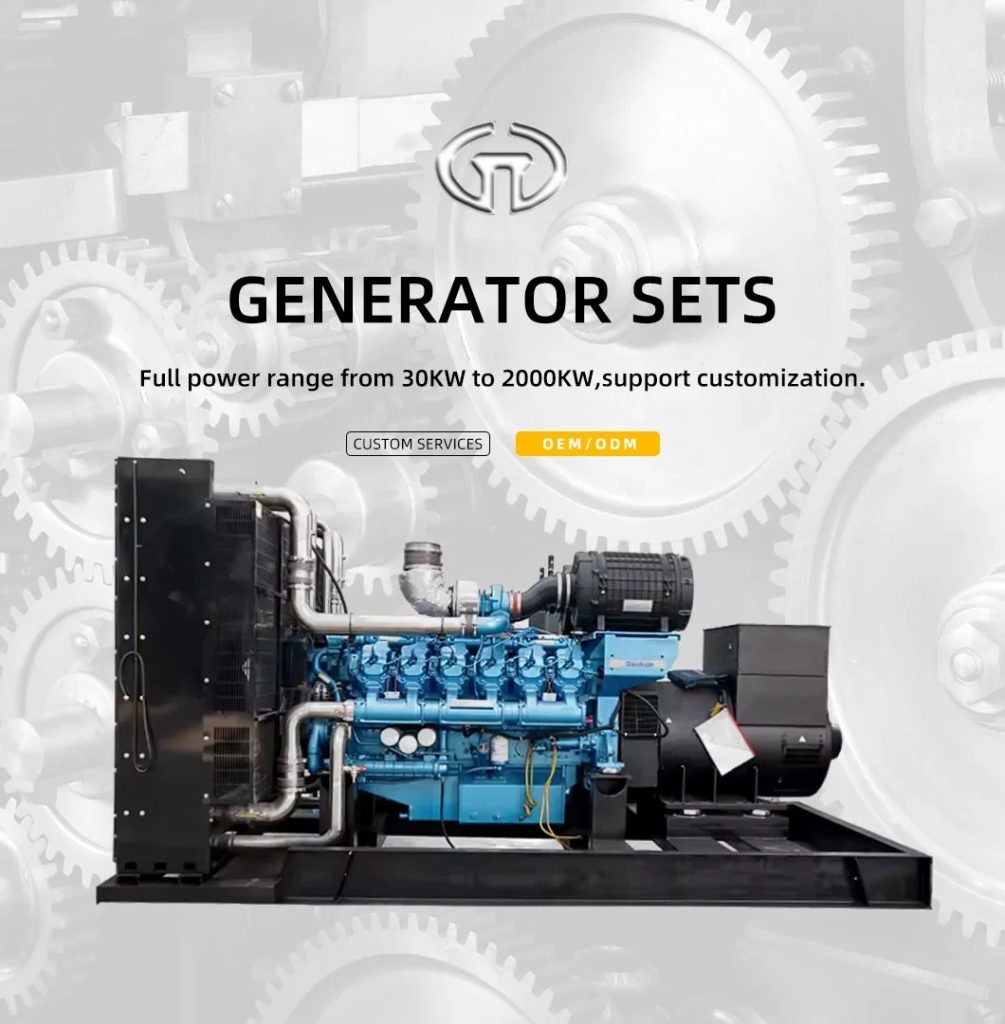 3. Visual Inspection: Once the generator is shut down, maintenance personnel should conduct a visual inspection of the entire generator system, including the engine, alternator, cooling system, fuel system, exhaust system, and electrical connections. This inspection helps identify any visible signs of wear, damage, leaks, or loose connections that require attention. 4. Testing and Diagnostics: After the visual inspection, various tests and diagnostics should be performed to assess the performance of critical components such as the battery, fuel system, cooling system, and electrical system. This may include testing the battery voltage, checking the fuel quality and levels, inspecting the cooling system for leaks or blockages, and conducting electrical tests to ensure proper functioning of the control panel and sensors. 5. Cleaning and Maintenance: During shutdown maintenance, it is crucial to clean the generator and its components thoroughly to remove dirt, debris, and contaminants that can affect performance. made a post may involve cleaning the air filters, fuel filters, cooling fins, and electrical connections. Additionally, maintenance tasks such as oil and filter changes, belt tension adjustments, and lubrication of moving parts should be performed as needed. 6. Repairs and Replacements: If any components are found to be defective, damaged, or nearing the end of their service life during the maintenance inspection, they should be repaired or replaced promptly. This may involve replacing worn-out belts, hoses, filters, or gaskets, repairing leaks in the fuel or cooling system, or addressing any electrical issues identified during testing. 7. Functional Testing: Once the maintenance tasks are completed, the generator should be started up again to ensure that it operates correctly and delivers the expected power output. Functional testing helps verify that all components are functioning properly, and the generator is ready to resume its backup power supply role in case of an emergency. Best Practices for Maximizing Efficiency and Reliability To maximize the efficiency and reliability of diesel generators, operators should follow some best practices when performing shutdown maintenance. These practices help ensure that the generator remains in optimal condition and can deliver reliable backup power when needed. Some of the key best practices include: 1. Regular Maintenance Schedule: Establishing a regular shutdown maintenance schedule is essential to ensure that the generator receives timely inspections and servicing. The frequency of maintenance may vary based on factors such as the generator's usage, operating conditions, and manufacturer recommendations. By adhering to a consistent maintenance schedule, operators can prevent unexpected failures and maintain the generator's performance. 2. Use Genuine Parts: When performing repairs or replacements during shutdown maintenance, it is crucial to use genuine parts recommended by the generator manufacturer. Genuine parts are designed to meet the specific requirements of the generator and ensure compatibility with other components. Using counterfeit or substandard parts can compromise the performance and reliability of the generator, leading to potential failures. 3. Maintain Detailed Records: Keeping detailed records of shutdown maintenance activities, inspections, repairs, and component replacements is vital for tracking the generator's maintenance history. These records can help identify trends, track the condition of critical components over time, and plan future maintenance tasks effectively. Additionally, maintenance records may be required for compliance with regulatory standards or warranty requirements. 4. Training and Certification: Ensuring that maintenance personnel are adequately trained and certified to perform shutdown maintenance on diesel generators is essential for maintaining safety and quality standards. Training programs can help personnel develop the skills and knowledge required to conduct maintenance tasks correctly, troubleshoot problems, and handle emergencies effectively. Regular training and certification updates keep maintenance personnel informed about the latest technologies and best practices in generator maintenance. 5. Monitor Performance Metrics: Implementing a monitoring system to track key performance metrics of the diesel generator can help operators detect potential issues early and take corrective actions promptly. Monitoring metrics such as fuel consumption, oil pressure, temperature, voltage, and frequency can provide valuable insights into the generator's health and performance. Any deviations from normal operating parameters should be investigated and addressed during shutdown maintenance. 6. Implement Preventive Maintenance Measures: In addition to regular shutdown maintenance, operators can implement preventive maintenance measures to reduce the risk of unexpected failures and extend the generator's service life. This may include proactive tasks such as vibration analysis, infrared thermography, oil analysis, and ultrasonic testing to identify potential issues before they escalate. By addressing minor problems proactively, operators can prevent costly repairs and downtime. Conclusion Shutdown maintenance is a critical aspect of diesel generator maintenance that helps ensure the safety, efficiency, and reliability of these essential backup power systems. By following a structured approach to shutdown maintenance, operators can identify and address potential issues before they cause failures, optimize the generator's performance, and extend its service life. Adhering to best practices such as establishing a regular maintenance schedule, using genuine parts, maintaining detailed records, providing training for maintenance personnel, monitoring performance metrics, and implementing preventive maintenance measures can help maximize the efficiency and reliability of diesel generators. Ultimately, a well-executed shutdown maintenance program plays a crucial role in ensuring that diesel generators are ready to provide reliable backup power when needed in critical facilities and emergency situations.